

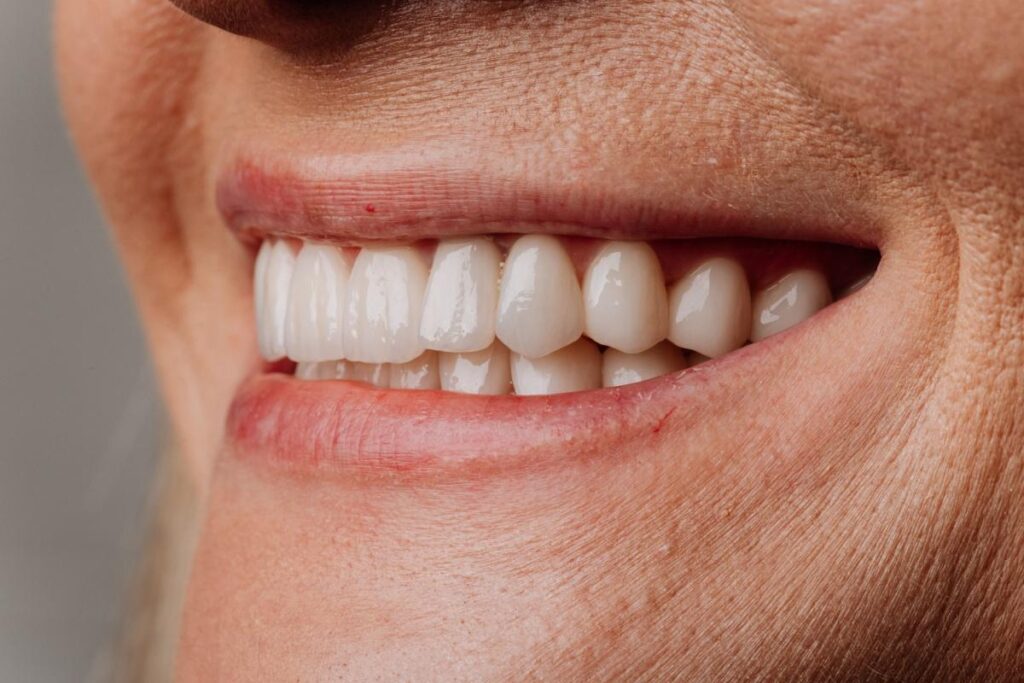
At Crystal Smiles Dental, we know that losing multiple teeth can change how you eat, speak, and even feel about your smile. You might avoid certain foods you once enjoyed, or notice your cheeks appear sunken where teeth used to support them. The gap left behind can also affect your remaining teeth, which can shift out of position over time.
The “right” option for you between dental implants and dentures depends on your specific situation, including your jawbone health, number of teeth missing, and more. Both treatments can improve your ability to eat and smile confidently, but they work in very different ways. Our team is here to walk you through the options and help you figure out which might work for you.
How Multiple Missing Teeth Affect Your Daily Life
Your Ability to Eat
When you lose several teeth, eating can become a careful process. You might cut food into smaller pieces or stop eating crunchy vegetables and tough meats entirely, which can be very frustrating. Your jaw muscles might work harder to compensate, leading to fatigue during meals.
The Impact on Speaking
Speech changes happen because your tongue relies on your teeth to form certain sounds. You might notice a slight whistle when saying words with “s” sounds, or find yourself speaking more slowly to pronounce words clearly.
Your Jawbone
Your jawbone starts shrinking where the tooth roots used to stimulate it. This process, called resorption, continues throughout your life and can change your facial appearance over the years. Over time, this bone loss also affects how well replacement teeth can fit and function later.
What Dental Implants Offer for Multiple Tooth Loss
How Implants Replace Multiple Teeth
Individual implants work when you have healthy bone and gum tissue surrounding each missing tooth site. The dentist places a titanium post into your jawbone for each tooth, then attaches a custom crown once healing is complete.
Implant-supported bridges replace groups of missing teeth using fewer implants than individual replacements. For example, 2 implants can support a bridge that replaces 3 or 4 teeth, reducing surgery time and cost while maintaining stability.
All-on-4 systems replace an entire arch of teeth using just 4 strategically placed implants. This approach can work even when you have some bone loss, as the angled placement helps provide you with the most contact possible with available bone.
Long-Term Benefits of Implants
Some of our patients find that they regain much of their chewing function and can return to near-normal levels with implants. You can bite into apples, eat corn on the cob, and enjoy steak without worrying about your replacement teeth moving or slipping.
This is partly because the titanium posts stimulate your jawbone just like natural tooth roots. This helps reduce bone loss associated with missing teeth, maintain your facial structure, and prevent the sunken appearance that can develop over time.
Once your implants heal, you care for them much like natural teeth. You brush, floss, and visit your dentist for regular cleanings without special soaking solutions or adhesives.
What Traditional Dentures Provide
Types Available for Your Situation
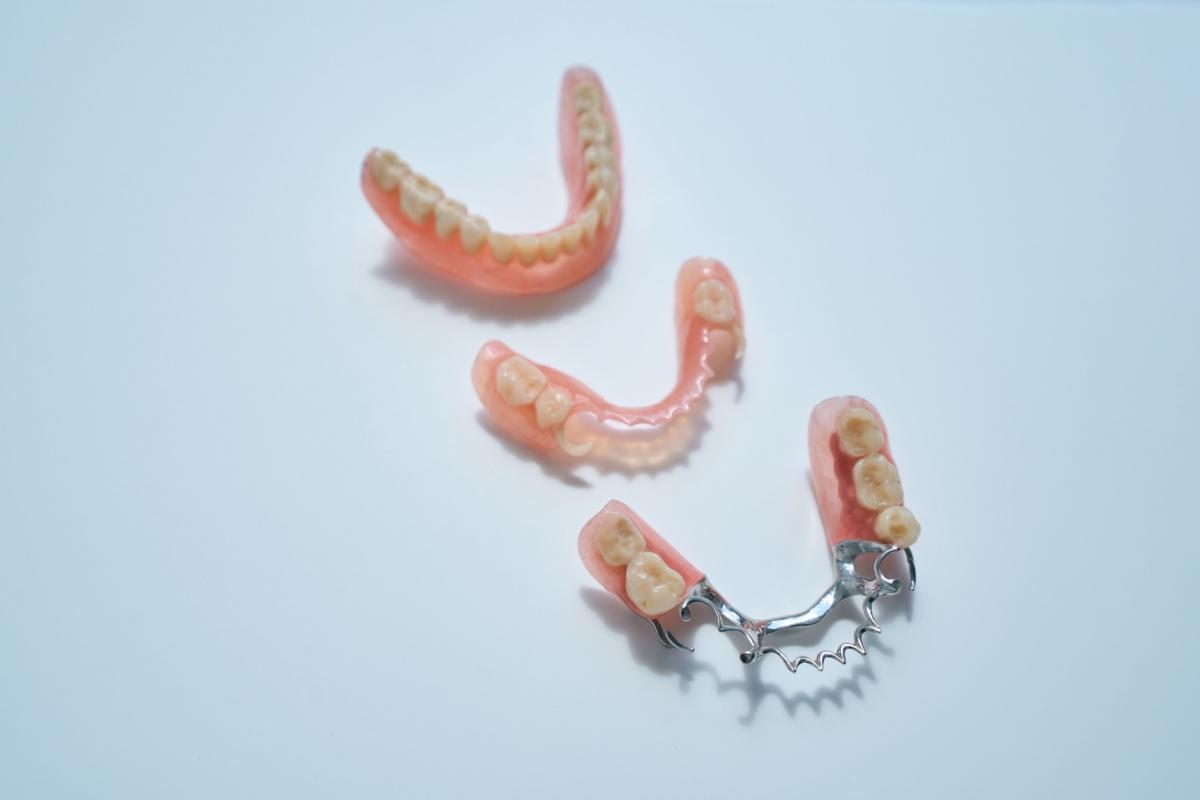
Partial dentures replace some missing teeth while your remaining natural teeth stay in place. Metal clasps or precision attachments hold the partial denture securely, and you can remove it for cleaning.
Complete dentures replace all teeth in your upper or lower jaw. They rest on your gums and rely on suction and proper fit to stay in place during eating and speaking.
Immediate dentures go in right after tooth extractions, so you don’t go without teeth while you heal. A denturist or dentist can make these based on impressions taken before your extractions, then adjust them as your gums heal and change shape.
Daily Care Requirements You’ll Follow
Dentures require removal each night for cleaning and soaking. This gives gum tissues time to rest and prevents bacterial buildup that can cause irritation or infections.
Special cleaning tablets, brushes, and soaking solutions become part of the routine. Regular toothpaste and brushes can scratch denture materials, so they require gentler products designed specifically for denture care.
Gums and jawbone can continue to change after tooth loss, which means if you have dentures, you’ll need to visit the denturist for adjustments and relines every once in a while.
Key Differences
Comfort & Function Comparison
Implants stay firmly in place during eating and speaking because they’re anchored directly into your jawbone, unlike dentures, which can sometimes move around.
Your bite force with implants is much stronger than your bite force with dentures. This difference affects which foods you can eat comfortably and how thoroughly you can chew.
Most people adjust to implants within a few weeks, while dentures often require several months to feel comfortable. The learning curve for eating and speaking with dentures takes patience and practice.
Maintenance & Longevity Factors
Daily care for implants takes about the same time as caring for natural teeth, with just regular brushing and flossing. Dentures require additional time for removal, cleaning, and soaking each day.
Dental implant posts can last 20–30 years, sometimes even longer, with proper care. The crowns attached to them, however, typically need replacement every 10–15 years. Dentures often need replacement every 5–7 years due to wear and changes in your mouth’s shape.
If you have implants, visiting your dentist is just like normal. You can come see our team every 6 months as usual for routine care, similar to natural teeth. Dentures often require more frequent adjustment appointments, particularly during the first year after placement.
The Restorative Dental Journey
Start with a Thorough Examination
We begin with a comprehensive dental evaluation to have a look at your remaining teeth, gums, and overall oral health to determine whether you’re a candidate for dental implants. Factors like gum disease, decay in remaining teeth, and general health all influence whether implants will work in your situation.
Go a Step Further with Technology
We want to know everything about your teeth and jawbone before we start any procedures. That’s why we use X-rays to show our team how much jawbone remains where teeth are missing. Many patients have enough bone for implant placement, and even those with some bone loss can sometimes qualify for implants with techniques like bone grafting or all-on-4 systems.
Schedule Your Consultation
At Crystal Smiles Dental, we know how much missing teeth can impact your life. It can feel overwhelming when there are so many options to choose from, but we want you to know that our team has extensive experience with individual implants, implant-supported bridges, and full-arch implant solutions. We can walk you through the whole process.
Schedule a complimentary implant consultation and discover if implants are right for you.