

Key Takeaways
- Baby teeth help your child chew, speak, and hold space for adult teeth.
- Watch for toothaches, sensitivity, visible pits, or brown, black, or white spots.
- Many early cavities cause no symptoms, so checkups and X-rays help catch them.
- A filling may be recommended when decay has progressed beyond an early surface change.
- Small early spots are sometimes monitored instead of filled.
- Brushing twice a day, flossing, and regular checkups support healthy smiles.
Baby Teeth & Why They Matter
Your child bites into an apple and pulls back with a little wince. Or you spot a dark speck on a back molar during bedtime brushing. It’s easy to think a baby tooth is temporary, so a cavity in one might not seem like a big deal. It’s a question our team at Crystal Smiles Dental hears from parents often.
Often, yes, but the right approach depends on how far the decay has progressed and how close the tooth is to falling out. Cavities in baby teeth may need a filling when decay could otherwise spread or cause pain.
Why Baby Teeth Still Matter
Baby teeth do real work every single day. They help your child chew dinner comfortably, form words clearly, and keep the right spacing across the jaw.
They also hold room for the adult teeth waiting underneath. When a baby tooth is lost too early, that saved space can shift.
There’s one more piece. The brushing and flossing habits your child builds now tend to stick around for decades, which shapes how their smile looks and feels as an adult.
Signs Your Child May Have a Cavity
Kids don’t always say “my tooth hurts.” Sometimes they just chew on one side, skip cold drinks, or get fussy at snack time. A few signs are worth a closer look.
- A toothache or complaints about hot, cold, or sweet foods
- Visible holes or small pits in a tooth
- Brown, black, or white spots on the surface
Why Some Cavities Go Unnoticed
Early decay often causes no symptoms at all. Your child feels fine, eats normally, and nothing looks unusual from the outside.
That’s where regular checkups come in. Exams and X-rays can reveal hidden spots between teeth that you’d never catch with a toothbrush and a flashlight at home.
When a Filling Is Usually Recommended
A filling may be recommended when decay has progressed beyond an early surface change. The dentist will also consider the tooth’s condition and how long it is expected to remain.
Larger cavities sometimes call for a crown instead, since there may not be enough healthy tooth left to hold a filling securely.
Our team also looks at the bigger picture. If your child has a higher risk of cavities in other teeth, treating the current one promptly can be part of a broader plan to protect the rest.
When Watch & Wait May Be an Option
Not every spot needs immediate treatment. A tiny early spot with no pain and no sign of spreading might be monitored at the next visit instead.
The same goes for a tooth that’s already loose or close to falling out. In those situations, filling it may not make sense.
What Happens If a Cavity Is Left Alone
Untreated decay tends to grow. Your child may start avoiding cold water, ice cream, or crunchy foods, and mealtimes can turn into a struggle.
Infection is the bigger concern. Decay can spread to nearby teeth, and the discomfort that comes with it doesn’t tend to settle down on its own. Painful teeth can also turn into urgent dental visits at inconvenient times.
Leaving a cavity untreated can interfere with eating, sleep, and your child’s comfort. If decay reaches the pulp, treatment may become more involved.
How To Help Your Child Avoid Cavities
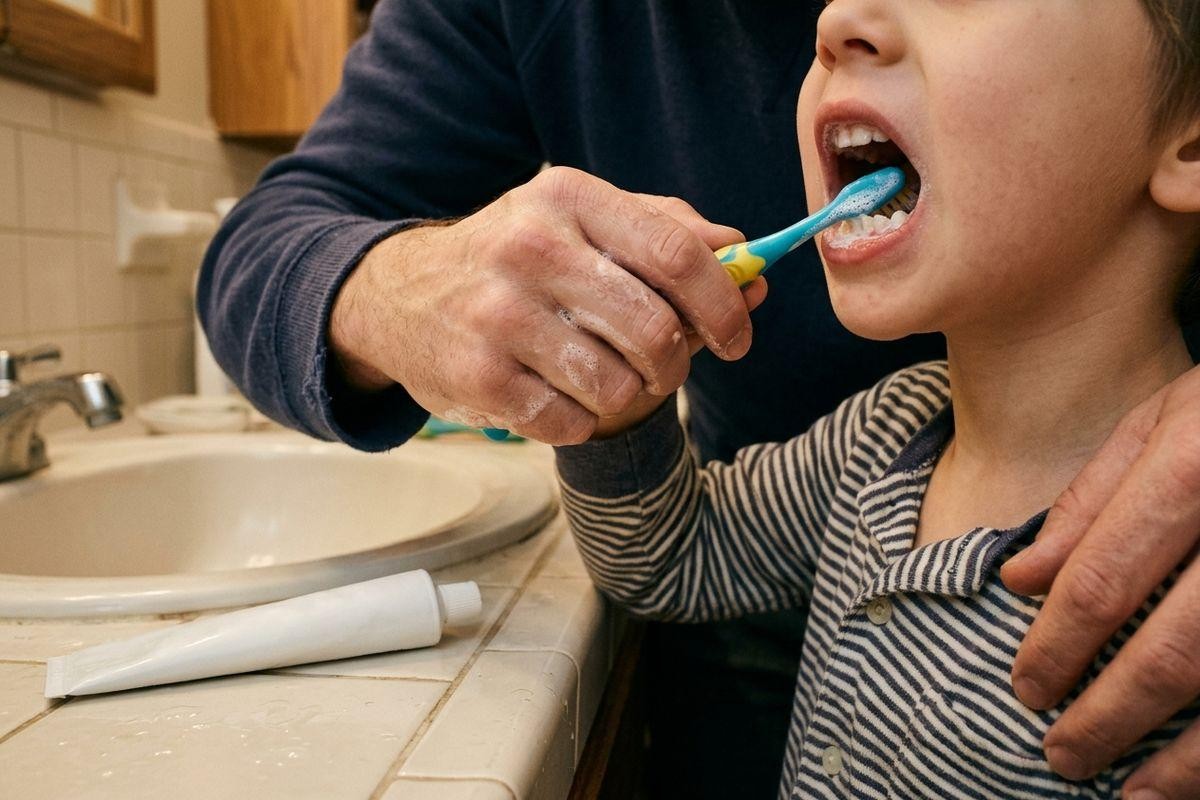
Prevention at home is straightforward, even on chaotic weeknights. A few habits do most of the heavy lifting.
- Brush twice a day and floss once daily, supervising until around age six or seven
- Limit sugary and sticky snacks and sweetened drinks between meals
- Book checkups at the interval your dentist recommends
Family Smile Care Beyond Childhood
Those early habits carry into the teen and adult years, when questions may shift toward alignment and long-term care. The Canadian Association of Orthodontists recommends that children see an orthodontic specialist no later than age seven, while your dentist can let you know when an assessment makes sense. Invisalign is one option families may ask about as kids get older.
Having everyone seen in the same office also means fewer separate trips and one team that knows your family’s history.
Book Your Child’s Next Checkup
A small cavity caught early is far simpler to treat than one found months later. If you’ve noticed a spot, a sensitive tooth, or you’re just due for a visit, our team at Crystal Smiles Dental can take a look and walk you through the options in plain language. Call today to book an appointment for your child, or for the whole family.