

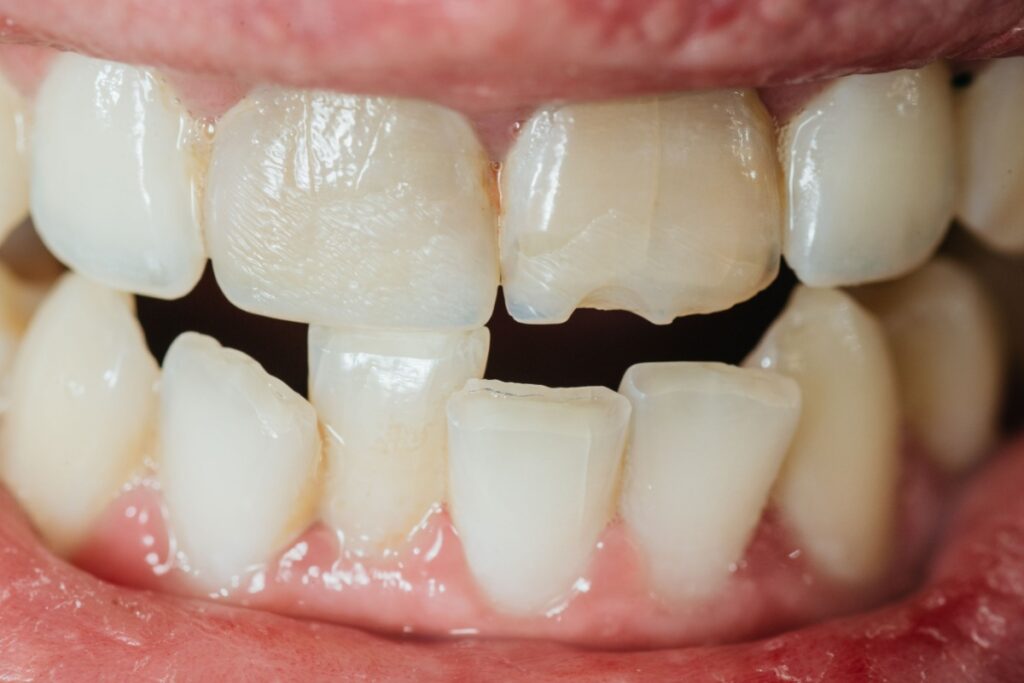
You bite into an apple and feel something hard in your mouth — a piece of your tooth. Your tongue immediately finds the rough, sharp edge where your smooth tooth used to be. Whether you chipped your tooth on food, during sports, or in an accident, you’re probably wondering what happens next. At Crystal Smiles Dental, our dental team sees patients with chipped teeth regularly and understands the concern this dental emergency can cause.
You can fix a chipped tooth through several treatment options depending on the size and location of the damage, from simple dental bonding for small chips to crowns or root canal therapy for severe breaks.
What to Do Right After You Chip Your Tooth
Immediate Pain Relief Options
Your chipped tooth might throb or feel sensitive to air and temperature changes. This sensitivity happens because the protective enamel layer has been compromised, exposing the more sensitive layers of your tooth underneath.
You can take over-the-counter pain medication like acetaminophen or ibuprofen to manage discomfort until you see your dentist. Follow the dosage instructions on the package and avoid aspirin, which can increase bleeding if there’s any injury to your gums.
Apply an ice pack to the outside of your cheek for 10-15 minutes at a time if you notice swelling. This helps reduce inflammation and provides numbing relief. Take breaks between applications to avoid damaging your skin, and never put ice directly on your tooth as this can increase sensitivity and cause additional pain.
If your tooth is particularly sensitive, try to breathe through your nose rather than your mouth to minimize air exposure to the damaged area.
Protect Your Mouth from Sharp Edges
Sharp edges from your chipped tooth can cut your tongue, lips, or the inside of your cheeks every time you talk or swallow. Cover the jagged area with a piece of sugarless chewing gum or dental wax from the pharmacy.
Press the gum or wax gently over the rough edge to create a smooth surface. This temporary fix helps you eat and speak more comfortably.
Eating & Drinking Guidelines
Stick to soft foods like yogurt, soup, and mashed potatoes until you can see your dentist. Avoid crunchy, hard, or sticky foods that might worsen the damage or cause pain.
Chew on the opposite side of your mouth and drink through a straw if the chipped tooth feels sensitive to liquids. Following these dental emergency steps helps prevent further damage while you arrange professional care.
Dental Bonding for Small Chips
How Bonding Works
For small chips on any tooth, your dentist can often fix the problem with composite bonding in a single visit. The dentist applies tooth-coloured resin material directly to the chipped area, shapes it to match your natural tooth, and hardens it with a special light.
The whole process usually takes 30-60 minutes per tooth. Your dentist polishes the bonded area until it feels smooth against your tongue.
Benefits of Bonding
Bonding offers several advantages for small chips:
- Simple, affordable procedure
- Usually completed in one visit
- No numbing typically required
- Natural-looking results that blend with your tooth
Dental bonding works particularly well for front teeth where appearance matters most, and this restorative treatment can last several years with proper care.
Dental Veneers for Front Teeth Chips
What Veneers Cover
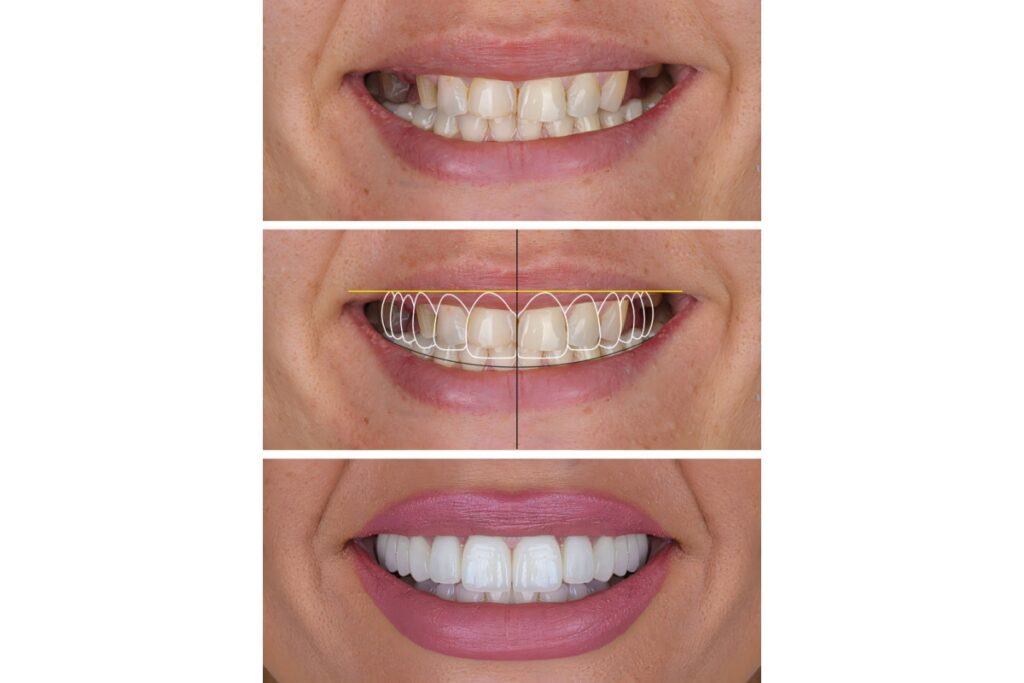
If you chip a front tooth where people can see it when you smile, a veneer might be your solution. Think of veneers like protective covers that go over the front surface of your tooth, similar to how an acrylic fingernail covers your natural nail.
Veneers can fix chips while also improving the overall appearance of your tooth’s shape, size, and colour.
The Veneer Process
Your dentist removes a thin layer of enamel from the front of your tooth and takes impressions. A dental lab creates your custom veneer, which your dentist bonds to your prepared tooth during a second visit.
The process typically takes two to three weeks from start to finish, including time for the lab to create your veneer. Dental veneers provide long-lasting results, and veneer treatment can transform both the function and appearance of your damaged tooth.
Dental Crowns for Large Chips
When You Need a Crown
Large chips that remove a significant portion of your tooth usually require a crown for protection. If the chip affects your ability to bite or chew normally, or if it weakens the remaining tooth structure, a crown can restore full function.
Your Okotoks dentist recommends a crown when bonding or veneers won’t provide enough support for the damaged tooth.
Choosing the Right Crown Material
Different crown materials work for different situations:
- Ceramic crowns provide a natural appearance that blends seamlessly with your surrounding teeth, making them ideal for front teeth where aesthetics are important. These crowns are strong and stain-resistant.
- Gold crowns offer exceptional durability and longevity, making them perfect for back molars that endure heavy chewing forces. Gold is also gentle on opposing teeth and requires minimal tooth removal.
What to Expect During Crown Placement
The crown process requires two appointments. During your first visit, your dentist shapes the damaged tooth, takes impressions, and places a temporary crown.
You return in about two weeks to have your permanent crown placed once the lab creates your custom restoration. Dental crowns provide durable protection, and this crown treatment can last many years with proper oral hygiene.
When to See Your Okotoks Dentist
Situations That Require a Same-Day Visit
Some chipped-tooth situations need prompt attention to prevent further damage or infection:
- Pain or sensitivity when eating or drinking: This may indicate deeper damage, exposed dentin, or involvement of the tooth’s nerve.
- Sharp edges cutting your tongue or cheeks: Jagged enamel can cause continual injuries inside your mouth and should be smoothed or repaired quickly.
- Changes to your bite: If the chip alters how your teeth fit together, it can lead to jaw discomfort or additional cracking if you keep chewing on it.
- A tooth that begins to darken: This may suggest trauma to the nerve or reduced blood flow inside the tooth and should be assessed right away.
How Your Dentist Chooses the Right Treatment
Your dentist examines the chip’s size, location, and depth to determine which repair method works for your situation. The team also considers your bite, the tooth’s function, and your preferences when recommending treatment.
X-rays might be needed to check if the damage extends to the tooth’s root or nerve. Understanding tooth anatomy helps dentists determine whether the chip requires simple bonding or more complex treatment like root canal therapy.
Protect Your Tooth and Restore Your Smile
Don’t wait to address a chipped tooth. Even small chips can lead to bigger problems if bacteria reach the damaged area. Our team at Crystal Smiles Dental can assess the chip, explain your treatment options, and restore the function and appearance of your tooth.
If you’ve recently chipped a tooth or are noticing new sensitivity, contact Crystal Smiles Dental today to schedule an appointment and get your smile back to normal.