


If you’ve recently started flossing and noticed your gums bleed, you’re not alone. For many, bleeding gums can be concerning, especially when you’re taking steps to improve your oral hygiene. Is it normal? Should you be worried? And most importantly, what steps should you take to address it?
Flossing is an essential part of preventive oral care, it’s how you can keep your gums healthy. There are many common reasons why gums bleed while flossing, such as gingivitis, hormonal changes, and vitamin deficiencies.
Why Does Flossing Make Gums Bleed?
Bleeding gums during flossing often happen if you’ve just introduced or restarted flossing after a break. The reason? Plaque. Plaque buildup along the gumline irritates your gums, making them more sensitive and prone to bleeding when disturbed by the floss. The good news is that with consistent flossing, this irritation should subside in about a week or two as your gums become healthier.
However, if your gums continue to bleed after this adjustment period, it could signal other issues that may require attention, such as:
- Gingivitis (early gum disease): Often caused by plaque buildup, gingivitis can make gums swollen, tender, and prone to bleeding. If untreated, it can progress to more serious gum disease.
- Hormonal changes: Hormonal fluctuations during pregnancy, menstruation, or menopause can make gums more sensitive and prone to bleeding. Pregnancy gingivitis is a common example.
- Vitamin deficiencies: A lack of essential vitamins like vitamin C (important for gum health) or vitamin K could contribute to easier bleeding when flossing.
If you’re unsure about the cause or the bleeding persists, booking a dental visit is essential to identify and treat any underlying issues early. Regular maintenance visits are imperative to keeping your mouth healthy.
Why Is Flossing Essential?
Flossing plays an important role in oral hygiene because it reaches areas your toothbrush simply cannot. Without flossing, food particles and plaque can accumulate between your teeth and under your gum line, increasing the risk of:
- Cavities developing in hard-to-reach places.
- Gum disease, which starts with inflammation and bleeding and can progress to irreversible tissue damage or even tooth loss.
- Bad breath, caused by bacteria accumulating in the spaces your toothbrush misses.
Flossing benefits your mouth and may even help protect your overall health. Research suggests that gum diseases, such as periodontitis, could be linked to systemic conditions like cardiovascular disease, diabetes, and respiratory illnesses. Keeping your gums healthy could help lower the risk of these issues over time.
How to Floss Properly
Proper technique is key to ensuring flossing is effective and gentle on your gums. Follow these steps:
- Use enough floss: Start with about 18 inches of floss, wrapping most around your middle fingers, leaving an inch or two to work between your teeth.
- Guide carefully: Hold the floss taut, using your thumbs and index fingers to slide it between your teeth gently. Avoid snapping it into your gums.
- Curve the floss: When the floss reaches your gum line, curve it into a C-shape around the base of each tooth. Slide it up and down to remove debris and plaque.
- Use a clean section: Unwind a fresh portion of floss as you move from tooth to tooth, preventing reintroducing bacteria into your mouth.
- Don’t miss the molars: Pay extra attention to the back of your last molars, where plaque tends to accumulate.
Remember to floss gently. Being too aggressive can irritate or even cut your gums, leading to additional bleeding.
Alternatives to Traditional Flossing
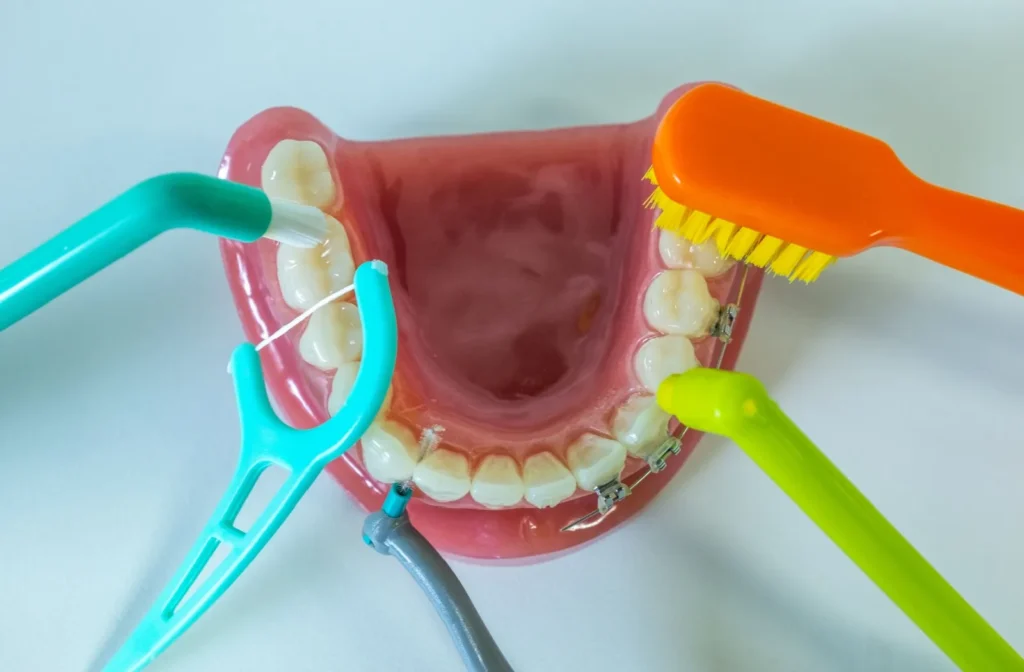
If traditional flossing feels too difficult or uncomfortable, don’t worry. There are alternatives that can deliver similar benefits and make your oral care routine easier:
- Dental Floss Picks: These are convenient tools that hold a piece of floss on a plastic handle, making it easier to maneuver between teeth.
- Water Flossers: Also known as oral irrigators, these devices use a stream of water to remove plaque and debris between teeth and along the gumline. They can be particularly helpful for those with braces, dental implants, or sensitive gums.
- Interdental Brushes: Small, toothbrush-like tools designed to clean between teeth. They’re especially great for people with larger gaps between their teeth or braces.
Each method has its pros and cons, so you may need to experiment to find the option that works best for you.
What to Do If the Bleeding Persists
If you’ve been flossing consistently for two weeks or more, but your gums still bleed, make an appointment with your dentist. Persistent bleeding could indicate:
- Gingivitis or early signs of gum disease requiring professional cleaning.
- A more serious gum condition, such as periodontitis.
- Other oral health issues that need to be addressed.
Regular check-ups every six months are essential for monitoring your oral health. Professional cleanings remove plaque and tartar buildup that regular brushing and flossing can’t tackle. Dental teams can also provide personalized advice to help keep your gums healthy and your smile bright.
At Crystal Smiles Dental, we pride ourselves on offering gentle, compassionate care. Whether it’s been years since your last check-up or this is your first visit, we’ll make sure you feel supported and informed every step of the way.
Healthy Gums Start with Care & Consistency
Bleeding gums during flossing can seem alarming, but in most cases, it’s simply a signal that your gums need a bit of extra attention. With the right flossing technique, consistency, and regular dental visits, you can achieve healthier gums and a happier smile.Are your gums still bleeding even after flossing for a while? Perhaps it’s time for a professional check-up! At Crystal Smiles Dental, we’re here to help. Book your appointment today and take the first step toward optimal oral health.