

It’s a common question in many households—should you floss first or brush first? It’s a simple question with answers that can feel a little confusing, especially when you want the best care for your family’s smiles. Getting the order right can help make your daily routine even more effective at keeping teeth clean and healthy.
While the most important thing is that you do both every day, dental professionals often suggest you floss before you brush. This simple change can help you get a more thorough clean and allow your toothpaste to work better. Let’s explore why this small adjustment can make a big difference for your oral health.
Why Daily Floss & Brush Habits Matter
You brush your teeth every day to keep them clean and bright. Flossing is an equally important partner in your oral hygiene routine. It’s designed to clean where your toothbrush simply can’t go.
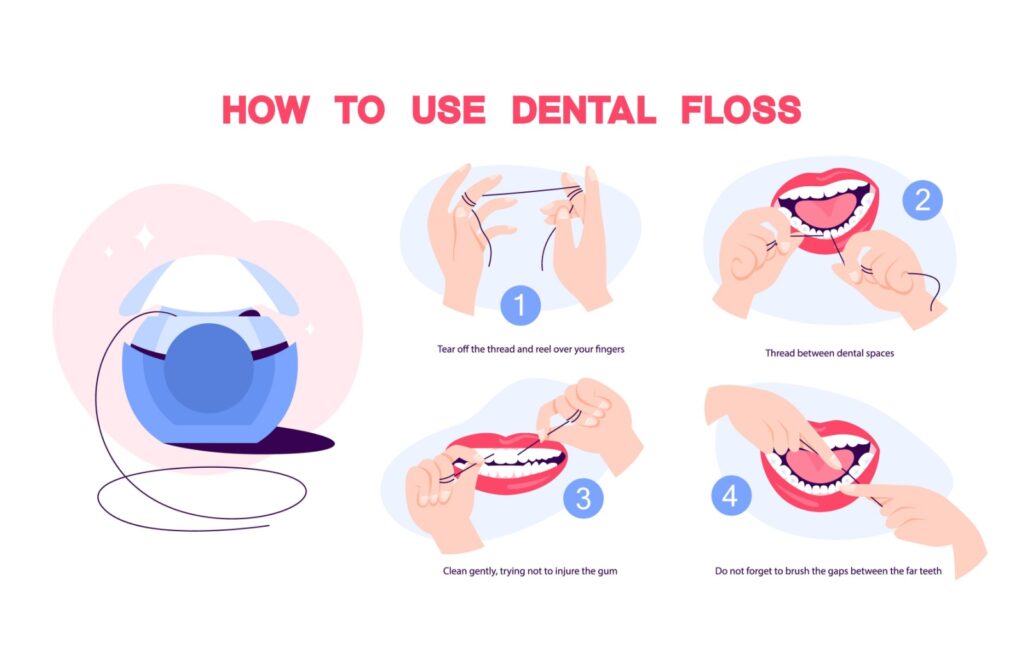
Floss helps remove tiny food particles and plaque from between your teeth and just below the gumline. Think of it as a detailed cleaning for the tight spaces in your smile. Brushing alone can’t reach these spots, which is why floss is so important for preventing gum problems.
Making flossing part of your family’s routine can reduce the risk of cavities between teeth, help keep gums firm and healthy, and support fresher breath. Over time, those small daily habits really do add up to a lifetime of healthier smiles.
The Case for Floss First
Clear Away Debris
When you floss before you brush, you loosen the bits of food stuck between your teeth. This makes it easier for your toothbrush and toothpaste to sweep everything away. Flossing first gives your toothpaste and toothbrush the chance to do their best work, leaving your whole mouth feeling cleaner.
Help Fluoride Reach More Surfaces
Your toothpaste contains fluoride, which helps strengthen your teeth. When you floss first, you clear the path for fluoride to reach more of your tooth’s surface. This allows the fluoride to do its job more effectively between your teeth—a simple way to get more from your brushing routine.
The Case for Brush First
A Familiar Start
Many people learn to brush their teeth first, and it’s a habit that can feel natural and comfortable. If your family already brushes first, you can stick with that routine. The most important thing is that you do both jobs every day to keep your smiles healthy.
Clean Mouth Feel
Some people prefer to brush first to get rid of the bulk of plaque and food. Flossing can then feel like a finishing touch for those hard-to-reach spots. Brushing first can give that instantly fresh feeling, with floss acting as the final touch to reach places your brush can’t.
How to Get the Most from Your Routine
The Sequence That Helps Most
Most dental professionals suggest you floss before you brush. This method removes plaque from between teeth first, which lets your toothbrush and fluoride toothpaste clean those areas more completely. Think of it as tidying a room before you vacuum—you move the small things out of the way to do a better job.
Consistency Is the Main Goal
While flossing first is often suggested, the most important part of any routine is consistency. Flossing every day—no matter the order—is what truly supports your long-term oral health. Brushing and flossing together create a team effort—removing debris, strengthening enamel, and protecting against gum disease.
The more consistently you follow the same routine, the more natural it feels for kids and adults alike. Over time, these habits become second nature, making oral care less of a chore and more of a simple part of daily life.
Building Healthy Brushing & Flossing Habits at Home
Make It a Daily Habit
Pick a time each day to brush and floss together, like after breakfast or before bed. When your kids see you do it, they are more likely to build the habit themselves. Children learn by example, so when oral care is part of a family routine, it feels normal and expected.
You can also make the process fun—use a favourite song, a two-minute timer, or even a reward chart to keep little ones motivated. These small tricks can make brushing and flossing feel less like a task and more like a family ritual.
The Canadian Dental Association offers excellent guidance on children’s dental care to help you get started.
Use the Right Tools
There are many types of floss available to make the job easier for different ages and abilities. Consider these options for your family to see what works best:
- Traditional string floss
- Floss picks or holders
- Water flossers
Caring for Your Family’s Smiles
A strong brushing and flossing routine is one of the best gifts you can give your family. Whether you floss before or after brushing, it’s the daily commitment that keeps smiles healthy.
At Crystal Smiles Dental in Okotoks, we’re here to make oral care simple and stress-free. If you’d like to support building healthy habits or have questions about your oral health, our team is ready to help.
Contact us today to schedule a visit—we’d love to care for your family’s smiles.