
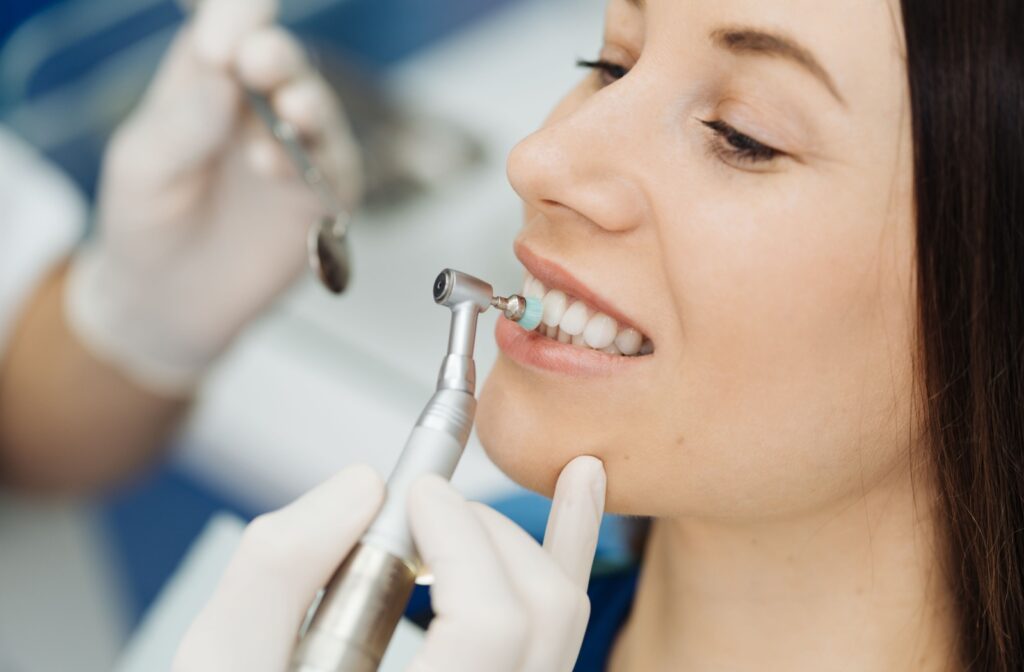
When you visit your dentist for a cleaning, you may hear the term “scaling” used—but what exactly does it mean? Scaling is a professional dental cleaning procedure that removes plaque, tartar, and bacteria from above and below the gumline to keep your teeth and gums healthy.
While brushing and flossing at home are essential, scaling targets stubborn buildup you can’t remove on your own, helping prevent gum disease and other oral health problems.
Why Scaling Is Important for Oral Health
Plaque forms naturally on teeth every day. When it isn’t removed through regular brushing and flossing, it hardens into tartar (calculus), which can’t be removed with a toothbrush alone. Tartar buildup not only dulls your smile but also provides a home for bacteria that cause gum inflammation, cavities, and even bone loss if left untreated.
Scaling is part of a professional dental cleaning designed to:
- Remove hardened tartar above and below the gumline
- Reduce bacteria that cause gum disease
- Freshen breath by cleaning areas brushing can’t reach
- Prevent future dental issues, saving you time and money in the long run
Skipping scaling and routine dental cleanings allows tartar to build up, which can lead to gingivitis (early gum disease) or periodontitis (advanced gum disease). These conditions can cause gum recession, tooth mobility, and tooth loss if untreated.
How Scaling Works
Scaling is performed by a dentist or dental hygienist using special instruments designed to remove tartar without damaging your teeth.
There are two main methods:
- Manual Scaling: The dental professional uses handheld instruments called scalers and curettes to gently scrape away tartar from the teeth.
- Ultrasonic Scaling: This method uses a device that vibrates at high speed to break apart tartar, combined with a stream of water to wash away debris and bacteria.
In most cases, a combination of both methods is used for thorough cleaning. Scaling focuses on areas that are hard to reach with daily brushing, such as along the gumline and between teeth. If gum disease is present, scaling may extend below the gumline in a procedure known as scaling and root planing, which smooths the roots of teeth to help gums heal and reattach.
Does Scaling Hurt?
For most patients, scaling is not painful, especially if you maintain regular dental cleanings. You might feel some pressure or mild scraping sensations, but it shouldn’t be uncomfortable.
If your gums are inflamed or you have a significant amount of tartar buildup, your dentist may recommend a numbing gel or local anesthetic to make the procedure more comfortable. Some people experience mild gum tenderness or sensitivity afterward, but this usually subsides within a day or two.
How Often Should You Get Scaling?
Most people benefit from professional dental cleanings, including scaling, every six months. However, your dentist may recommend more frequent visits if you:
- Have a history of gum disease
- Tend to build up tartar quickly
- Have certain health conditions like diabetes
- Smoke or use tobacco products
Regular scaling helps prevent the need for more invasive procedures and keeps your teeth and gums in optimal condition.

FAQs About Dental Scaling
What’s the Difference Between Scaling and Polishing?
Scaling removes tartar and plaque buildup, while polishing smooths the surface of your teeth, making it harder for plaque to accumulate and giving your smile a cleaner, brighter appearance.
Is Scaling the Same as Deep Cleaning?
Not exactly. Routine scaling is part of a standard cleaning. Deep cleaning, or scaling and root planing, is a more intensive procedure that treats gum disease and involves cleaning deeper beneath the gums.
Can Scaling Damage My Teeth?
No. When performed by a trained dental professional, scaling is a safe and effective way to protect your teeth. It does not weaken enamel but instead preserves it by removing harmful buildup.
How Long Does a Scaling Appointment Take?
A routine scaling as part of your cleaning typically takes 30 to 60 minutes. Deep cleanings may require longer appointments or multiple visits.
How Can I Reduce Tartar Buildup Between Visits?
Brush twice a day with fluoride toothpaste, floss daily, use an antibacterial mouth rinse, limit sugary snacks, and stay hydrated. These habits help slow tartar formation but can’t replace professional cleanings.
Maintaining Results After Scaling
After scaling, your teeth and gums are in their cleanest state—and it’s important to maintain that. Good daily oral hygiene, along with regular dental visits, will help prevent tartar from coming back quickly.
Avoid smoking, maintain a balanced diet, and drink plenty of water to promote saliva production, which naturally helps protect teeth. If your dentist has recommended any special tools, like interdental brushes or a water flosser, use them as part of your daily routine.
Expert Dental Care for a Healthier Smile
Scaling is more than just a cosmetic cleaning—it’s an essential part of protecting your oral health and preventing serious dental problems. By removing tartar and bacteria that home dental care can’t reach, scaling helps preserve your teeth, gums, and smile for the long term.If it’s been more than six months since your last dental cleaning, or if you’ve noticed signs of gum inflammation, it’s time to book a visit.
Crystal Smiles Dental provides professional dental scaling and preventive care to keep your smile healthy and confident. Contact us today to schedule your appointment and give your teeth the expert care they deserve.